Spirits History
Colorado’s whiskey story is one of rugged resilience and a spectacular modern renaissance. While historical tax records suggest a handful of distilleries operated during the 19th and early 20th centuries, the implementation of Prohibition effectively erased the state’s distilling culture for decades. The modern era was ignited by the arrival of Stranahan’s, the first legal distillery to open in Colorado since Prohibition, which paved the way for a vibrant craft movement. Today, the Colorado Distillers Guild represents a thriving community of over 40 producers, transforming the state from a whiskey desert into a premier destination for spirits enthusiasts.
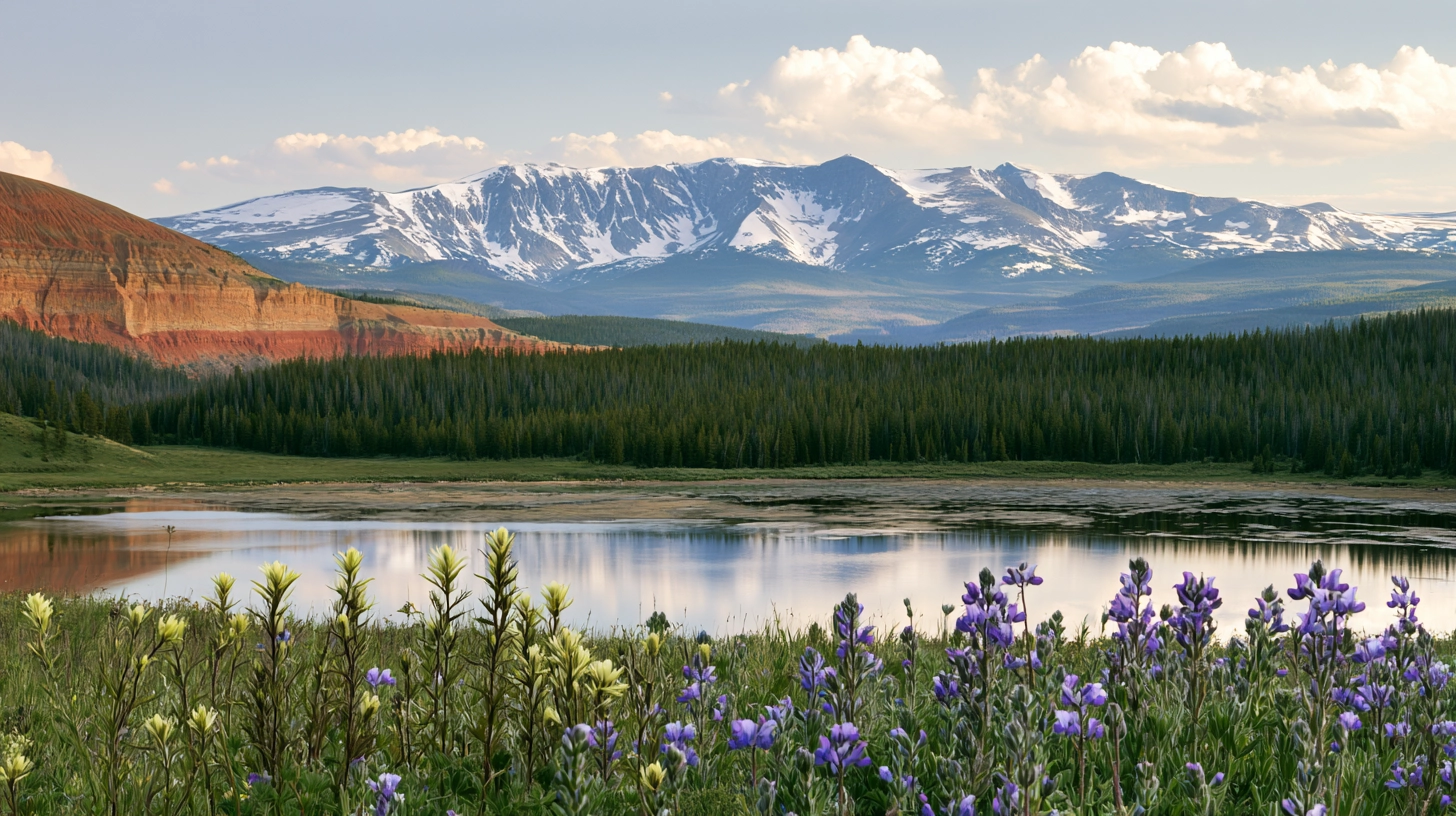
The character of Colorado whiskey is inextricably linked to its high-altitude terroir. Distillers frequently cite the unique environmental conditions of the Rocky Mountains as a defining factor in their spirits, specifically the intense sunlight and the thin, high-altitude atmosphere that influences the maturation process in oak barrels. Most importantly, the use of pure Rocky Mountain snowmelt provides a mineral-rich water source that serves as the lifeblood of local production, grounding each bottle in the state’s unique geological landscape.
Agriculture serves as the foundation of this “mountain-made” identity, with a profound emphasis on grain-to-glass transparency. Rye whiskey has emerged as a signature style, often utilizing grains sourced from agricultural hubs like the San Luis Valley. There is also a growing movement toward sustainability and soil health; producers like Dry Land Distillers have gained recognition for using Regenerative Organic Certified® Colorado rye, bridging the gap between the distillery and the local farmer to create a truly localized spirit.
Innovation is a hallmark of the Colorado scene, with makers pushing the boundaries of traditional American whiskey styles. To distinguish their profiles, some producers employ unique regional finishing techniques, such as Distillery 291’s use of toasted Colorado aspen staves to mellow their rye. This creative approach, combined with a focus on heirloom grains and diverse mash bills, allows Colorado makers to produce spirits that are both technically proficient and distinctly expressive of their mountain home.
Presently, Colorado’s distilling identity is defined by a sense of craft-focused pride and a commitment to innovation. From the pioneering single malts to the bold, grain-forward ryes of Laws Whiskey House and the community-driven collaborations of the local distillers, the state has established itself as a leader in the American spirits landscape. The result is a diverse and sophisticated whiskey culture that honors its frontier roots while looking toward a highly creative and sustainable future.