Spirits History
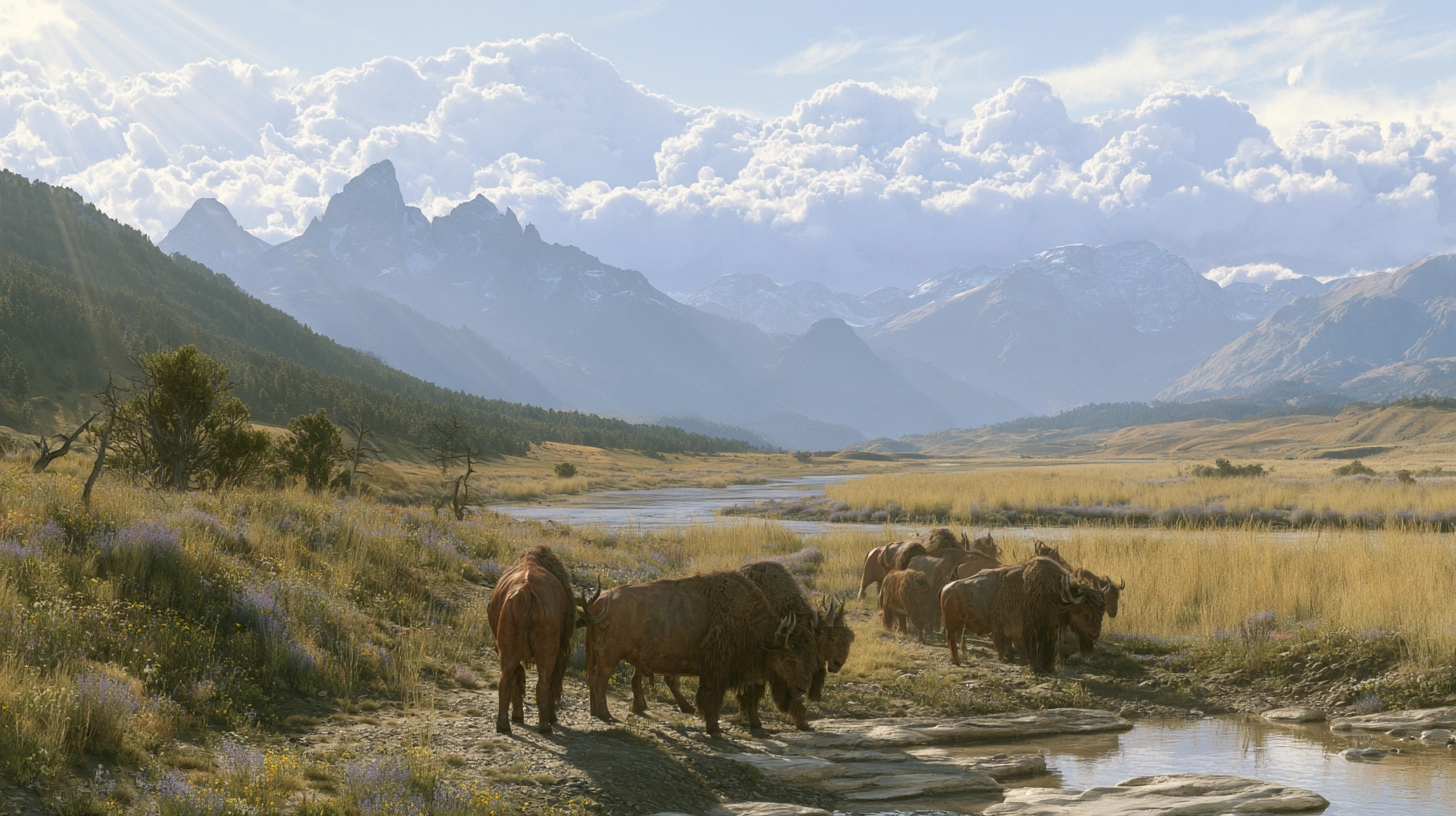
Montana’s whiskey story is inextricably linked to its rugged landscape and the hardy agricultural traditions of the American West. The state’s distilling identity is built upon a foundation of resilient grains—primarily rye, wheat, corn, and barley—grown in the vast stretches of the Big Sky Country. This agricultural backbone, combined with the use of pure, locally sourced glacial water, provides a terroir that emphasizes the raw, unadulterated character of the grain, a hallmark of the state’s emerging whiskey profile.
History in Montana is marked by a spirit of defiance, particularly during the era of Prohibition. Long before the national Volstead Act, Montana voters approved statewide prohibition in 1916, yet the law failed to extinguish the local appetite for spirits. This era gave rise to a unique cultural phenomenon: the “Whiskey Women.” These female bootleggers played a significant role in the clandestine trade, operating stills and navigating the illegal market with a grit that has since become part of the state’s distilling lore. The presence of bootlegger’s stills in historical collections serves as a testament to this period of underground resilience.
Following a long period of decline, Montana has experienced a vibrant craft distilling revival. Led by the Montana Distillers Guild, a new generation of producers has transformed the state from a landscape of prohibition-era shadows into a burgeoning hub of small-batch excellence. This movement has moved away from industrial production toward a “field-to-glass” philosophy, where distilleries like WildRye and Glacier Distilling emphasize the direct connection between the local farmer and the final bottle.
Today, Montana whiskey is defined by a “flavor of place” that marries traditional grain-forward profiles with the state’s unique botanical identity. While rye and wheat remain the stars, modern producers increasingly infuse their spirits with the essence of the Montana wilderness. The use of huckleberries, Flathead cherries, and local honey has become a signature way for distillers to express the state’s untamed beauty, creating whiskeys that are as much a tribute to the landscape as they are to the craft of distillation.