Spirits History
In Alaska, the history of distilled spirits is a tale of two eras: one defined by imported commodities and another by local terroir. While rum once held a primary role as a central tool of trade and diplomacy during the Russian-American era—used by traders to barter for furs and interact with Indigenous populations—the state’s modern distilling identity has pivoted decisively toward whiskey. Today, the Alaskan whiskey story is not one of imported spirits, but of a rugged, craft-driven movement that seeks to capture the essence of the North in every bottle.
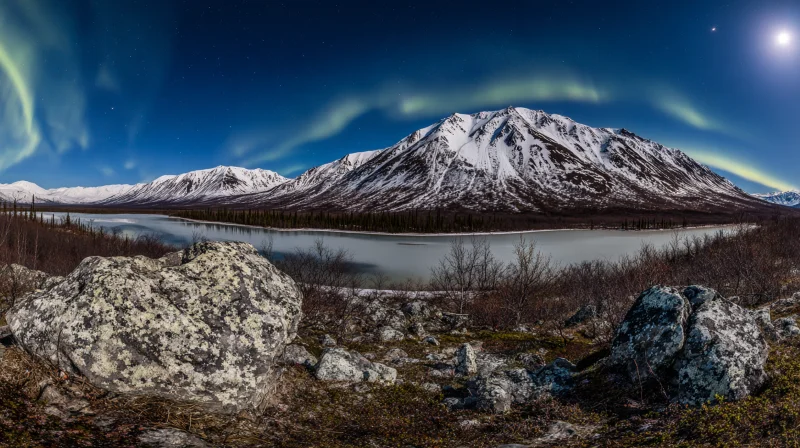
The character of Alaskan whiskey is inextricably linked to its unique geography and agriculture. Producers leverage the state’s “wild terroir” by utilizing grains grown in challenging environments, such as rye harvested from the Matanuska Valley and barley from the rugged interior. This agricultural foundation is complemented by the use of pristine glacial water, often sourced from nearby flows like the Eklutna glacier, which imparts a clean, mineral-driven profile to the spirits.
The resulting styles often reflect the “rugged individualism” of the Arctic wilderness. There is a notable emphasis on rye whiskey, with expressions like Port Chilkoot’s Wrack Line Rye and Amalga Distillery’s Alpenglow Rye embodying a spicy, dry, and bold character. Many producers utilize toasted barrels and unique aging processes to create spirits that mirror the harsh, dramatic landscape, often featuring notes of toasted oak and deep spice that stand up to the Alaskan climate.
Alaska’s path to this modern revival was far from linear. The vast, remote geography of the territory made law enforcement difficult, leading to a long history of bootlegging and moonshining that persisted well into the 20th century. Following the disruption of Prohibition and a long period of dormancy, the modern era of legal distilling only truly began to take shape with the opening of the state’s first contemporary distillery in 2007, marking the start of a significant legislative and industrial rebirth.
Today, the Alaskan whiskey scene is a vibrant component of the state’s tourism and cultural identity, epitomized by the “Alaska Whiskey Trail.” From the maritime-influenced distilleries of the southeast to the grain-to-glass operations in the Anchorage and Fairbanks areas, contemporary producers are successfully blending traditional distillation with a distinct sense of place. They have transformed whiskey from a frontier necessity into a sophisticated expression of the Alaskan wilderness.