Spirits History
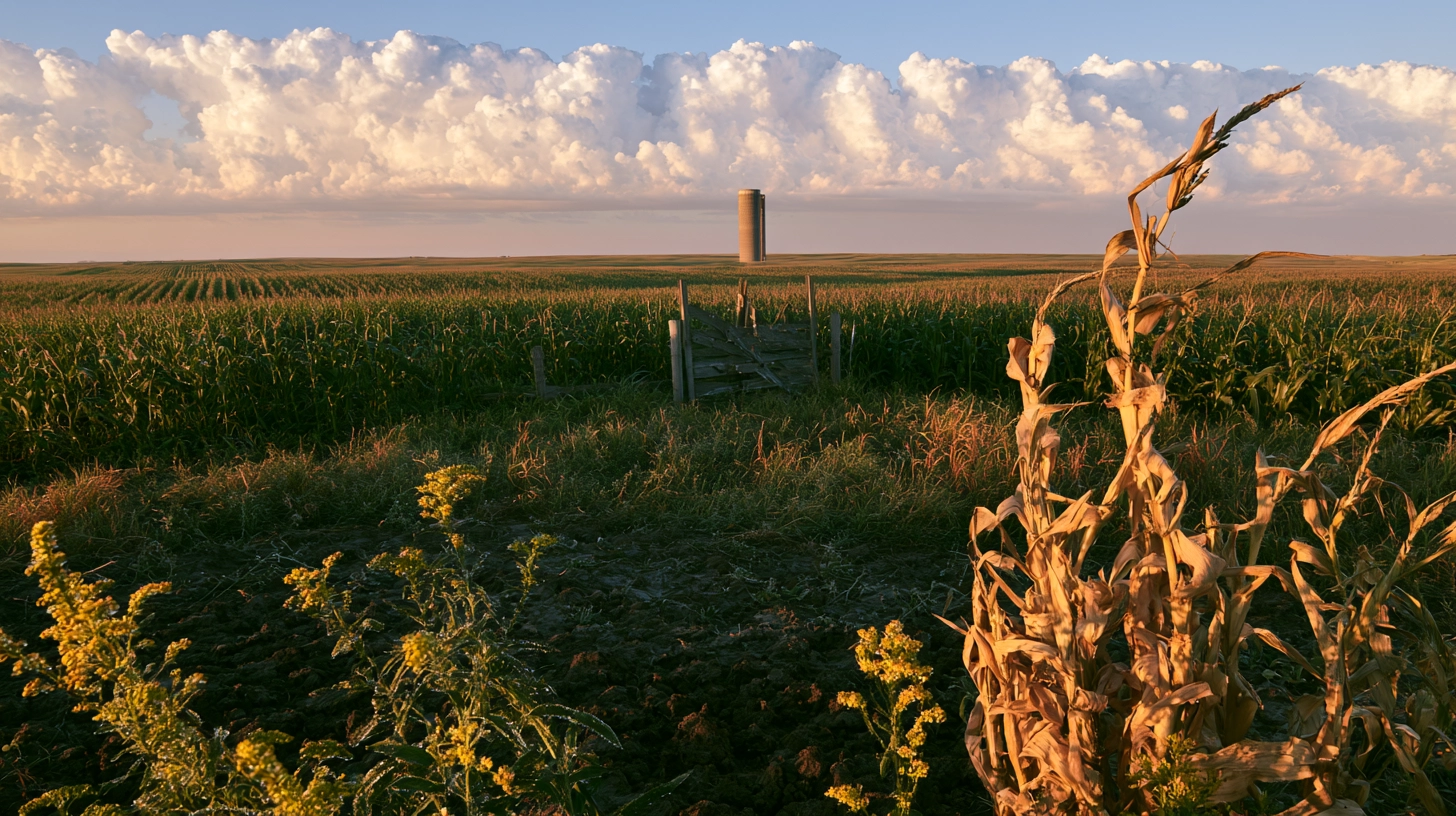
Nebraska’s spirits are inextricably linked to its vast agricultural landscape. While the state is often viewed through the lens of its massive grain production, this very abundance has historically fueled a distilling tradition centered on the bounty of the plains. Whiskey remains the most culturally and economically significant spirit in the state, deeply rooted in the local grain economy.
Before the shadow of Prohibition fell over the state in 1920, Nebraska’s distilling scene was characterized by small-scale, farm-based operations. These local producers turned grain surpluses—primarily corn and rye—into potent spirits for community consumption. The onset of Prohibition effectively dismantled this legal industry, pushing the craft underground and creating a decades-long hiatus that left a significant gap in the state’s distilling lineage.
The terroir of Nebraska is defined by its status as a cornerstone of the American Corn Belt. The high-quality corn, alongside significant rye and wheat yields, provides the essential raw materials for the state’s whiskey profiles. This agricultural foundation is supported by vital water resources, including the Ogallala Aquifer and various river systems, which play a crucial role in the fermentation and distillation processes.
Today, Nebraska is experiencing a vibrant craft distillery renaissance. Modern producers are bridging the historical gap by focusing on small-batch, high-quality spirits that honor their roots. While bourbon and rye whiskey remain the cornerstones of this revival, there is an increasing presence of botanical gins, reflecting a diversifying palate among local enthusiasts and a growing interest in experimental profiles.
The contemporary Nebraska distilling identity is defined by a “farm-to-glass” philosophy. Distillers are increasingly using 100% locally grown grains to create a distinct sense of place, connecting the final product to the resilience of Nebraska’s farmers and the character of its landscape. This movement has transformed distilling from a lost art into a modern celebration of the state’s agricultural heritage.