Spirits History
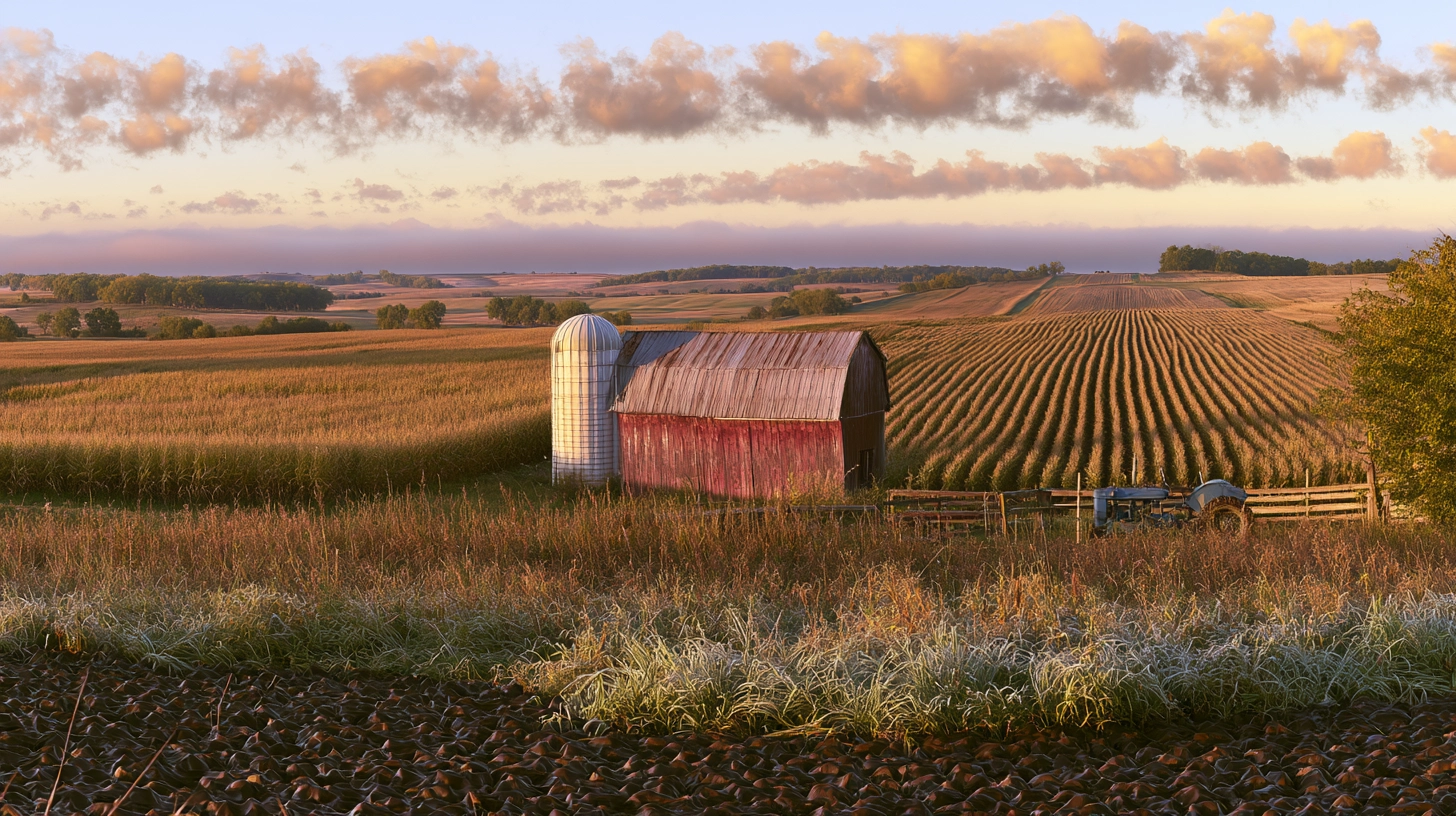
Iowa’s identity as a premier grain-producing powerhouse provides the perfect foundation for a storied whiskey tradition. As one of the nation’s leading producers of corn and rye, the state’s fertile soil and vast agricultural landscape have long dictated the character of its distilled spirits. While many associate the Midwest primarily with corn-heavy bourbons, Iowa has carved out a distinctive niche through its high-quality rye, a legacy deeply intertwined with the state’s turbulent history.
The most enduring legend in Iowa spirits is that of Templeton Rye, a name that evokes the clandestine era of Prohibition. During the early 20th century, bootleggers in Carroll County produced rye whiskey in the shadows to supplement the income of local farmers. This notorious spirit became a staple in the speakeasies of Chicago, Omaha, and Kansas City, earning a reputation for quality that survived long after the era of illegal distilling ended. Though the brand’s production moved out of state for many years, its recent “homecoming” with a massive new distillery in Templeton marks a significant cultural revival.
Following the decline of large-scale distilling after Prohibition, Iowa’s whiskey scene underwent a modern renaissance driven by the craft movement. This revival has been led by producers like Cedar Ridge Distillery, which leverages the state’s exceptional corn to produce award-winning bourbons and ryes. These contemporary distillers have moved the industry from the fringes of bootlegging into a sophisticated, transparent craft, emphasizing the connection between the farm and the bottle.
The terroir of Iowa is defined by its rich, loamy soils and reliable water sources, which impart a specific profile to its grain-based spirits. The abundance of corn lends a natural sweetness and weight to Iowa bourbons, while the state’s rye crops provide the spicy, robust backbone necessary for its celebrated rye whiskeys. This agricultural synergy ensures that the whiskey produced here is a direct expression of the Midwestern landscape.
Today, Iowa’s distilling identity is characterized by a blend of historical reverence and modern innovation. From the large-scale ambitions of the Templeton Rye distillery to the meticulous, farm-to-glass approach of small craft producers, the state is no longer just a supplier of raw ingredients. It has become a destination for drinkers seeking spirits that are as bold and authentic as the agricultural heritage from which they spring.