Spirits History
Arizona’s whiskey story is deeply intertwined with the rugged mythology of the American Old West. In the late 19th century, the frontier saloons of mining towns like Tombstone were fueled by spirits that defined the era, with rye whiskey—often imported brands like Old Overholt—becoming a staple for figures like Doc Holliday. While the state’s early distilling history was shaped by these frontier traditions, the onset of Prohibition and the subsequent legal landscape created a long hiatus in local production. It wasn’t until the repeal of state prohibition in 1932, and much later the modern craft movement, that Arizona began to reclaim its identity as a producer of fine distilled spirits.
The transition from frontier rye to modern craft whiskey was marked by a significant period of decline and eventual rebirth. Following Prohibition, the state saw a long gap where no whiskey was legally produced in major hubs like the Phoenix metropolitan area. This changed with the recent explosion of the craft distilling movement, which has seen the emergence of highly regarded producers such as Whiskey Del Bac in Tucson and Arizona Distilling Co. in Tempe. These modern makers have moved beyond mere imitation, seeking to establish a distinct “desert” character that honors the state’s unique environmental constraints.
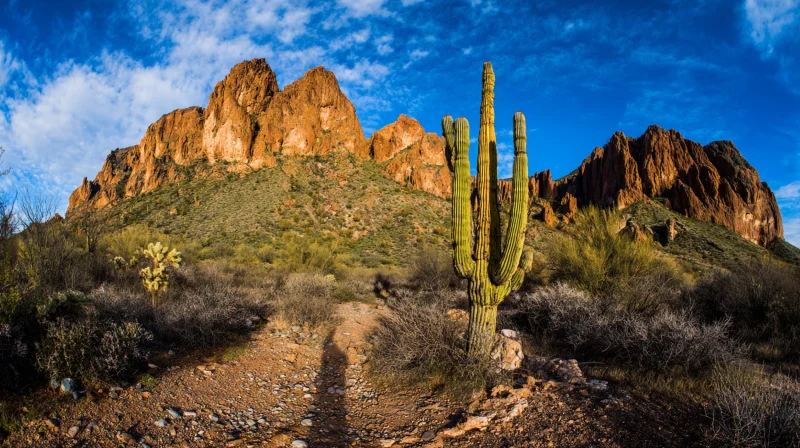
Terroir in the Arizona desert is defined by scarcity and adaptation. Unlike the lush, water-rich grain belts of the Midwest, Arizona distillers must contend with an arid climate and precious water resources. This has led to a fascinating focus on drought-tolerant agriculture, including the cultivation of heritage grains like durum wheat and local rye. The “desert terroir” is perhaps most famously expressed through innovative malting techniques, such as the use of mesquite-wood fire to malt barley, which imparts a smoky, savory complexity that is uniquely evocative of the Sonoran landscape.
The modern Arizona whiskey profile is characterized by a bold, adventurous spirit that mirrors the state’s geography. While bourbon and rye remain central, there is a notable emphasis on single malts and experimental mash bills that incorporate local ingredients. The rise of the Arizona Craft Distillers Guild has helped formalize this industry, fostering a community that prioritizes grain-to-glass transparency and regional pride. This revival has transformed Arizona from a mere consumer of frontier spirits into a sophisticated destination for whiskey enthusiasts.
Today, Arizona’s distilling identity is a blend of historical homage and contemporary innovation. Whether it is the spicy, small-batch rye that echoes the state’s mining past or the smoke-kissed malts that capture the essence of the desert, the spirits produced here are increasingly recognized for their ability to tell a story of place. As producers continue to experiment with local grains and desert-inspired profiles, Arizona is carving out a permanent and distinctive niche in the American whiskey landscape.