Spirits History
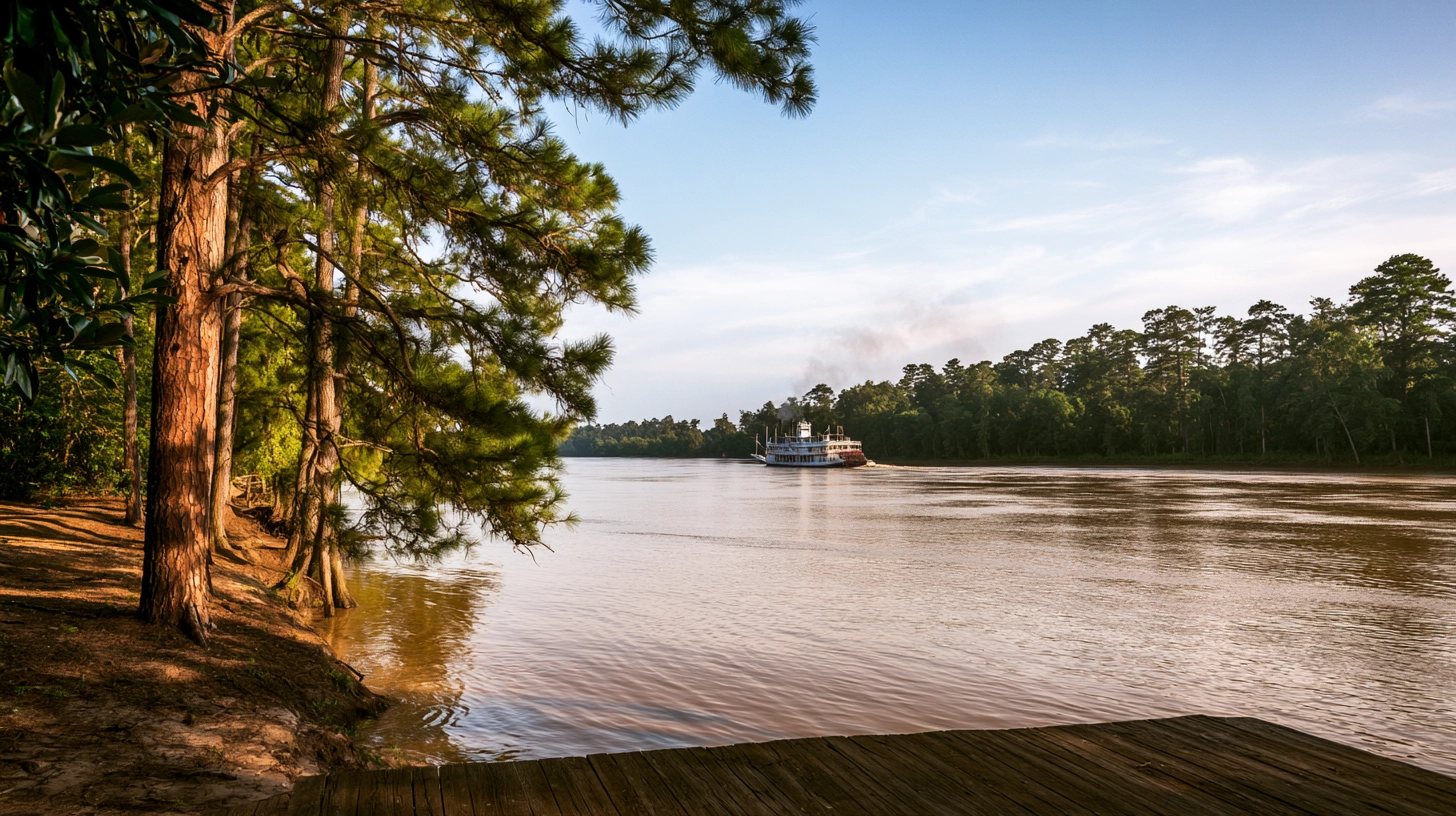
Mississippi’s whiskey identity is rooted in the fertile soil of the Delta and the relentless flow of the Mississippi River. Historically, the state’s distilling tradition centered on corn-based spirits, ranging from heavy corn whiskeys to the more refined bourbons that traveled downriver to the bustling markets of New Orleans. This connection to the river established a unique trade corridor, where the waterway served as both a logistical lifeline and a defining element of the state’s spirits-based commerce.
However, the state’s distilling history is also a story of profound interruption. Mississippi was a vanguard of the temperance movement, enacting statewide prohibition in 1907—decades before the national ban—and maintaining a “dry” status until 1966. This long era of legal suppression effectively erased much of the state’s formal distilling infrastructure, leaving behind a legacy of clandestine moonshine and a deep-seated cultural caution toward spirits that would take decades to overcome.
The modern revival of Mississippi whiskey is defined by a remarkable reclamation of this lost heritage, often through the lens of the river itself. In a bold experiment with terroir, producers like Ingram Distillery have pioneered “river-aging,” where whiskey barrels are aged on barges traveling the Mississippi River. This process utilizes the river’s unique microclimate—characterized by constant motion and fluctuating humidity—to impart a distinct character to the spirit, effectively turning the waterway into a living maturation vessel.
Today, a diverse craft distilling scene is flourishing across the state, led by pioneers like Cathead Distillery, which helped spark the modern movement. From the traditional corn whiskeys of Crittenden Distillery to the innovative grain-to-glass approaches of producers like Rich Grain Distilling Co., the industry is reclaiming its identity. These makers are not merely producing alcohol; they are interpreting the state’s agricultural bounty and historical resilience through every bottle.
The current character of Mississippi whiskey is one of rugged innovation and historical awareness. It is a spirit shaped by the tension between a long-suppressed past and a technologically adventurous present. Whether through the heavy, corn-forward profiles of traditional styles or the unique nuances of river-aged expressions, Mississippi whiskey stands as a testament to a state that has successfully turned its most challenging histories and its most powerful natural features into a source of profound liquid character.