Spirits History
In West Virginia, the history of distillation is as rugged and winding as the Appalachian trails that define its landscape. For early settlers, distilling was a practical necessity born of geography; the steep, difficult terrain of the Allegheny Mountains made transporting bulky grain crops like corn and rye a logistical nightmare. Converting these harvests into liquid spirits provided a portable, high-value medium of exchange that could be easily moved through mountain passes, effectively turning agricultural surplus into a vital cash crop.
While whiskey is the foundational spirit of the region, the cultural identity of West Virginia is more deeply anchored in the legend of moonshine. This high-proof, often unaged corn whiskey—frequently called “mountain dew” or “white lightning”—emerged as a symbol of Appalachian self-reliance. Unlike the standardized, aged whiskeys of the Bluegrass region, West Virginia’s moonshine was a product of clandestine necessity, a “rebel” spirit that thrived in the shadows of the mountains and became a cornerstone of local folklore.
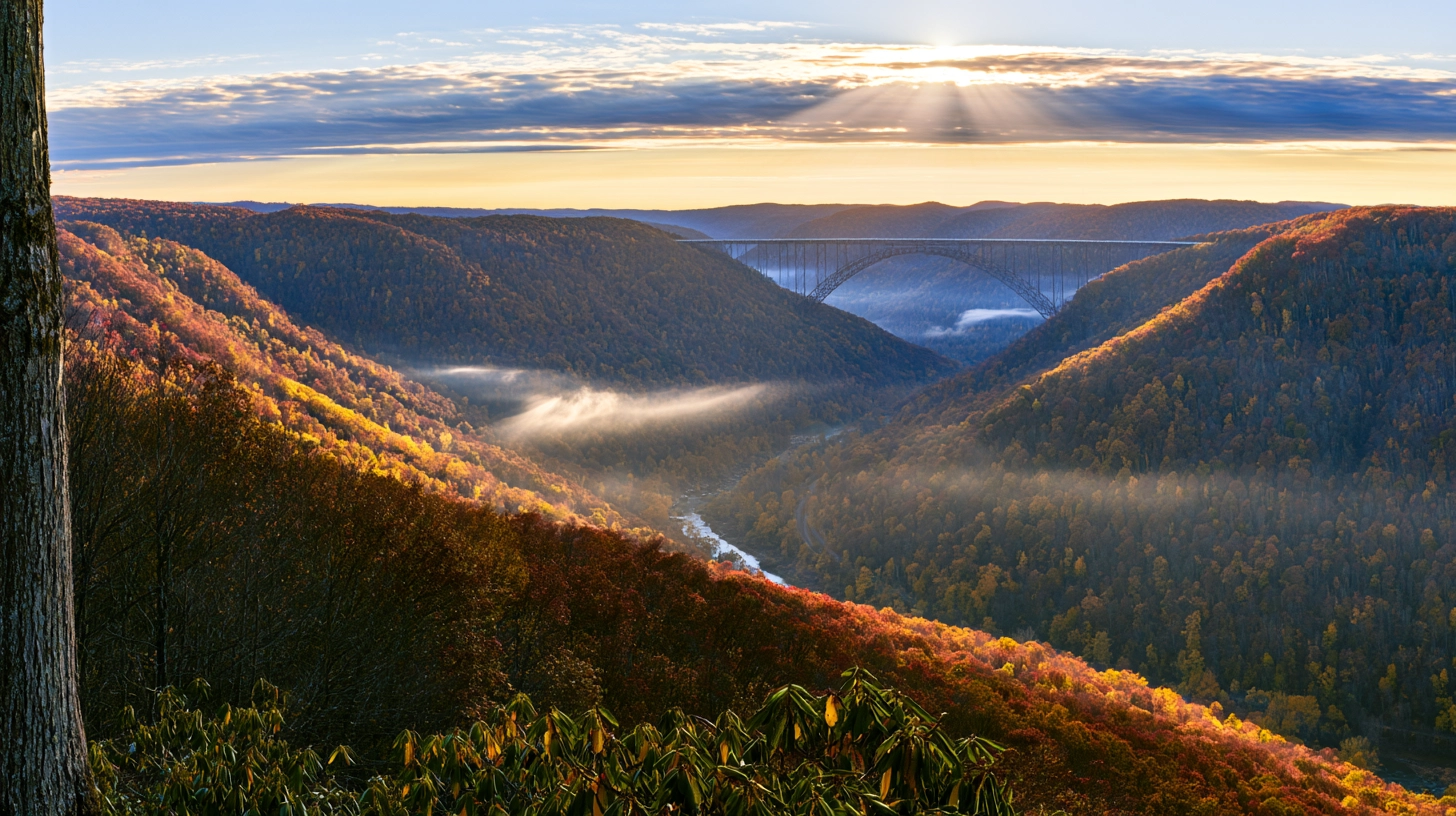
The state’s terroir is inextricably linked to its topography. The isolation provided by the dense forests and deep valleys of the mountains allowed for a clandestine distilling culture to flourish, shielded from the eyes of tax collectors. Furthermore, the use of “soft creek water” sourced from mountain springs is a defining characteristic of the local style, imparting a clean, crisp profile to the spirits that reflects the purity of the Appalachian watershed.
The era of Prohibition did not stifle West Virginia’s distilling spirit; instead, it cemented the moonshine mythos. As legal commercial production was suppressed, the practice of clandestine distilling became a defining cultural act of defiance. This period transformed moonshining from a mere economic survival tactic into a legendary part of the state’s identity, bridging the gap between the early frontier era and the modern age.
Today, West Virginia is experiencing a sophisticated distilling renaissance that honors this rugged heritage while embracing modern craftsmanship. A new generation of producers, such as Smooth Ambler and Still Hollow, is moving the state’s narrative from the clandestine “white lightning” of the past toward a refined craft scene. These modern distillers often blend the traditional focus on corn and rye with contemporary techniques, ensuring that the spirit of the mountains remains a central part of West Virginia’s identity.