Spirits History
In the Northern Mariana Islands, whiskey is primarily an imported commodity rather than a product of local tradition. While the islands’ modern ties to the United States have made American whiskeys a staple of contemporary bars, the true distilled history of the archipelago is found in the industrial rum of the early 20th century and the ancient, fermented coconut beverages of the indigenous Chamorro people.
The most significant era of distillation occurred during the Japanese Mandate period (1914–1944), when the islands of Saipan and Tinian were transformed into massive sugarcane-producing hubs. This industrial-scale agriculture provided a steady supply of molasses, the essential byproduct for rum production. These colonial-era distilleries were designed to fuel the local economy and serve the large population of Japanese settlers and laborers who worked the plantations.
This era of industrial spirit production came to a violent conclusion during World War II. The intense combat of the Battles of Saipan and Tinian decimated the islands’ infrastructure, destroying the plantations and processing facilities that had defined the local economy. Following the war, the transition to United States administration shifted the economic focus away from large-scale sugar cultivation, effectively ending the age of industrial rum in the islands.
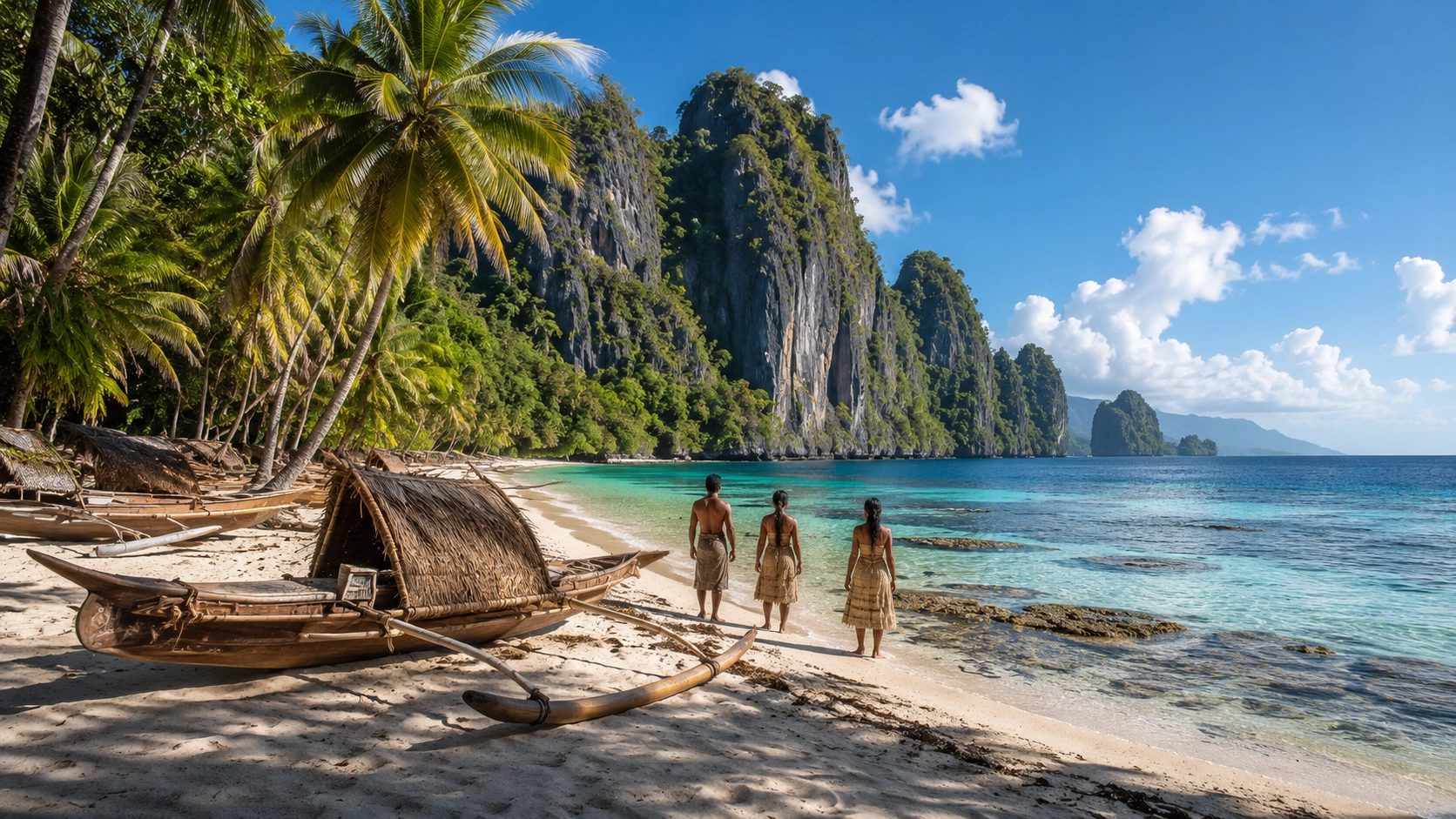
Parallel to this colonial history is the deep-rooted Chamorro tradition of utilizing the coconut palm, or the “tree of life.” Long before industrial distillation arrived, the indigenous people practiced the artisanal fermentation of coconut sap to create traditional beverages. These fermented drinks represent a direct, spiritual, and cultural connection to the islands’ natural resources, serving as a cornerstone of communal life and traditional gatherings.
Today, the spirits of the Northern Mariana Islands reflect a blend of imported modernism and cultural reclamation. The terroir—defined by nutrient-rich volcanic soil, abundant tropical rainfall, and a relentless sun—continues to favor the growth of the sugarcane and coconut palms that once fueled these traditions. While commercial distillation has largely given way to imported spirits, there remains a growing interest in reclaiming the artisanal flavors of the islands’ indigenous and historical past.