Spirits History
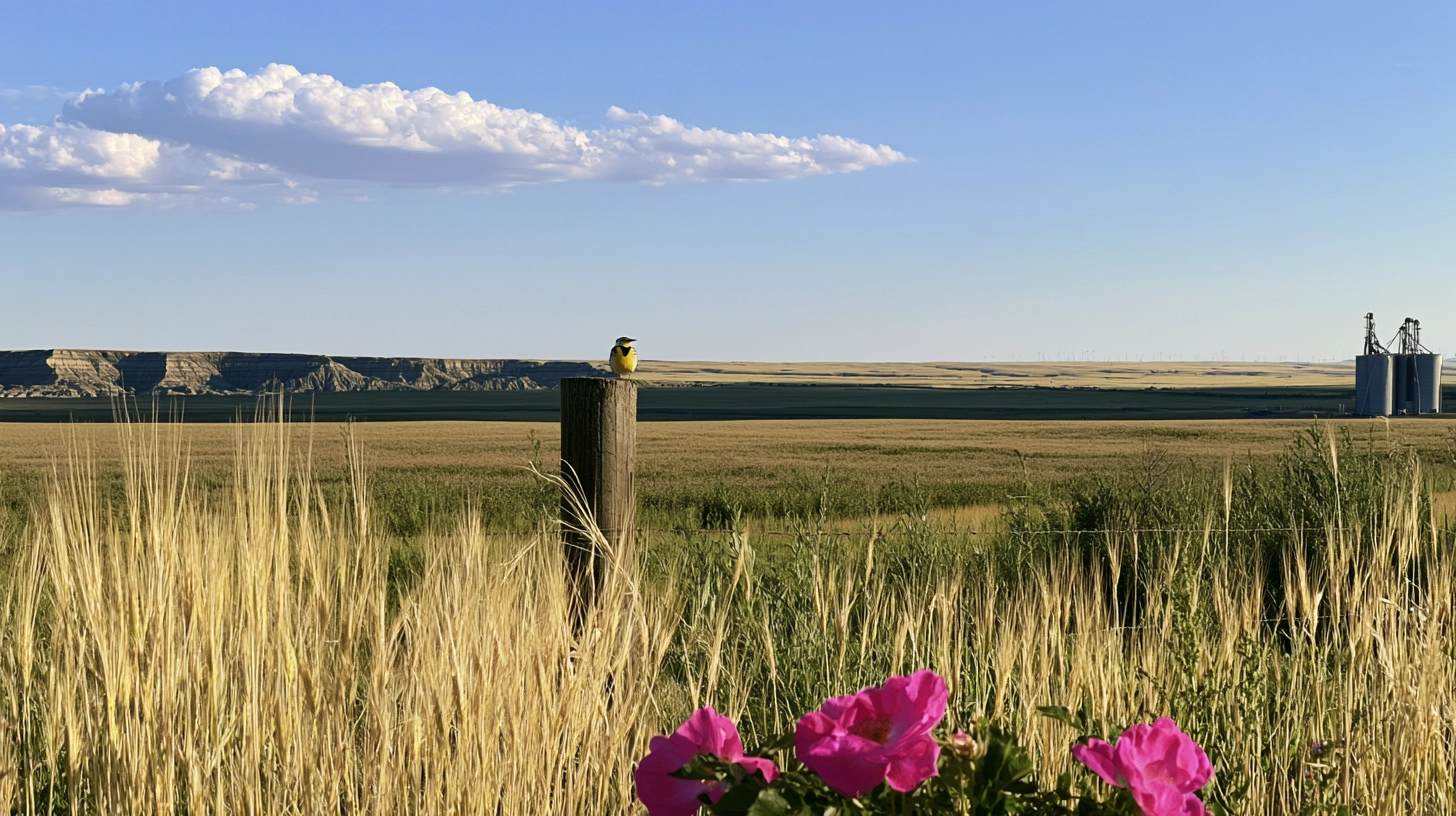
North Dakota’s spirits history is inextricably linked to its vast, windswept prairies and the hardy grains that define its agricultural identity. While many states look to corn or barley, the North Dakota terroir is characterized by a diverse grain basket including rye, oats, and hard-red spring wheat. This agricultural foundation has shaped a distilling tradition that is less about tropical sweetness and more about the robust, rustic character of the Great Plains. The state’s climate, marked by extreme temperature swings and unique barometric pressures, offers a distinct environment for barrel aging that modern producers are increasingly leveraging to create a localized sense of place.
The state’s journey with distilled spirits was uniquely complicated by its political origins; North Dakota entered the Union in 1889 as a “dry” state, having incorporated prohibition into its constitution from the outset. This early legal restriction meant that much of the state’s early distilling history occurred in the shadows, with moonshining serving as a common, albeit illicit, response to the law. During the federal Prohibition era, the industry survived in small pockets through the legal loophole of medicinal alcohol, which allowed a limited number of distilleries to remain operational by providing spirits for pharmaceutical use.
As the grain economy flourished, so did the potential for whiskey. Rye whiskey, in particular, finds a natural home in North Dakota’s colder climate, where the grain thrives and imparts a spicy, assertive profile to the spirit. Beyond rye, the state’s unique agricultural offerings have led to innovative expressions, such as oat whiskeys that capture the creamy, textured mouthfeel of the prairie’s oats. Even sugar beets, a major regional crop, have found their way into the distilling process, providing a local source of sweetness for vodka and other grain-based spirits.
The modern era has seen a vibrant craft distillery revival, moving away from the era of medicinal tinctures toward sophisticated, grain-forward whiskeys. Producers like Proof Artisan Distillers and Dakota Spirits have become cornerstones of this movement, with the former making waves with North Dakota straight bourbon and single malts, and the latter gaining acclaim for its award-winning oat whiskey. These contemporary distillers are not just making alcohol; they are practicing a form of liquid agriculture, emphasizing the specific varietals of grain and the unique environmental conditions of the northern plains.
Today, North Dakota’s distilling identity is defined by a sense of rugged authenticity. The spirits emerging from the state are often bold and unapologetic, reflecting the resilience of the farmers who cultivate the land. Whether it is a spicy rye or a smooth, oat-heavy whiskey, the present-day character of North Dakota spirits is a celebration of the prairie’s bounty, proving that even a state born into prohibition can cultivate a rich and complex liquid heritage.