Spirits History
Arkansas possesses a distilling heritage deeply rooted in its diverse landscapes, from the rugged Ozark and Ouachita Mountains to the fertile expanse of the Arkansas Delta. While the state’s early identity was shaped by a variety of spirits, including a significant historical era of apple brandy production, the story of whiskey—and its more clandestine moonshine lineage—remains the most enduring cultural touchstone. This tradition of grain-based spirits has evolved from a necessity of rural survival into a sophisticated modern craft movement.
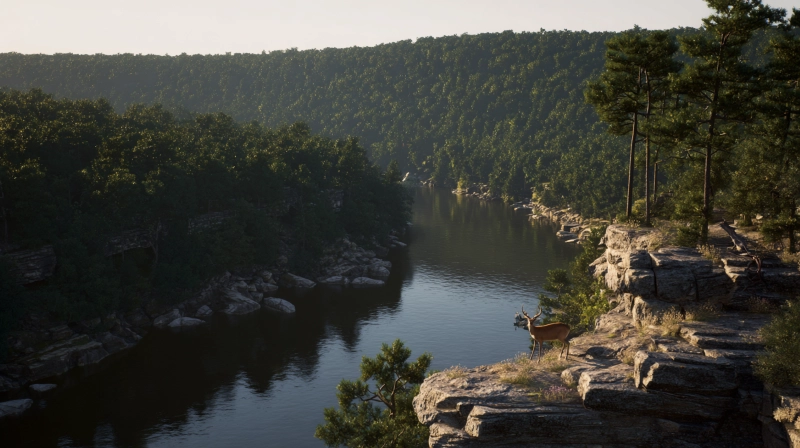
The history of Arkansas whiskey is inextricably linked to the state’s geography. In the dense, hilly terrain of the Ozarks and Ouachitas, secret stills became a staple of rural life, providing a portable and valuable commodity in regions where cash was often scarce. This culture of moonshining faced significant disruptions, including a 1862 statewide ban on distilleries during the Civil War to preserve grain for the war effort, and the eventual onset of Prohibition, which drove production further underground and into the shadows of the mountains.
While whiskey defines the state’s rugged spirit, Arkansas also holds a distinguished place in the history of fruit brandies. In the late 19th and early 20th centuries, the Macon & Carson distillery in Bentonville emerged as a powerhouse, once claiming to be the largest distillery west of the Mississippi. This era of apple brandy production represented a different facet of the state’s agricultural prowess, utilizing the bounty of local orchards before the industry waned following the implementation of Prohibition.
Today, Arkansas is experiencing a vibrant whiskey renaissance that bridges its historical traditions with modern excellence. Leading this revival is Rock Town Distillery, the first legal distillery to operate in the state since Prohibition. By utilizing Arkansas-grown grains such as corn, wheat, and rye, contemporary producers are reclaiming the state’s distilling identity. This modern approach emphasizes “local flavor,” using the specific characteristics of regional agriculture to create award-winning ryes and bourbons that reflect the state’s unique terroir.
The present-day distilling scene is characterized by this blend of agricultural heritage and craft innovation. From the rich, alluvial soils of the Delta, which support producers like Delta Dirt Distillery, to the urban craft movement in Little Rock, Arkansas’s spirits are increasingly defined by their connection to the land. The state has moved from the era of the secret mountain still to a transparent, professional industry that honors its complex past while carving out a distinct place on the global whiskey map.